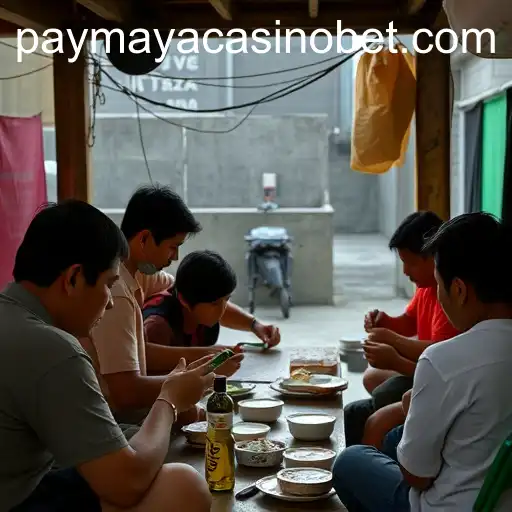
The Ongoing Phenomenon of Jueteng in the Philippines
Jueteng is an enduring illegal numbers game that has existed in the Philippines for decades. Despite numerous efforts by the government to curtail its spread, it remains a deeply rooted part of the country's underground economy. The game continues to thrive, fueled by a complex network of individuals ranging from small-time collectors to influential protectors.
Understanding the Mechanics of Jueteng
Jueteng operates similarly to a lottery game, although it lacks any legal or regulatory backing. Participants bet on a combination of two numbers, typically from 1 to 37. Winning numbers are drawn at random, and the simplicity of the game makes it accessible to a wide segment of the population. This simplicity, combined with the low cost per bet and the potential for high returns, ensures its popularity across various demographics.
The game's appeal is further enhanced by the community-like environment it fosters. For many, participating in Jueteng offers not just a chance to win money, but also a sense of belonging and minor escape from daily hardships.
The Socioeconomic Impact of Jueteng
Jueteng holds a significant place in the local economic landscape, particularly in rural areas where employment opportunities might be scarce. The game provides a source of livelihood for a sizable network of cobradores or collectors and kubradors or coordinators who orchestrate the game's operations.
Despite its illegal status, Jueteng's economic impact cannot be understated. It often serves as a financial safety net for its operators and participants alike. However, the game also perpetuates systemic issues related to poverty and governance. Funds generated from Jueteng are often siphoned off to protectors, which include some local government officials, further entrenching corruption within the political system.
Jueteng and Technology: The Role of PayMaya Casino
In recent years, digital platforms have begun to play a role in altering how traditional underground activities like Jueteng are conducted. While Jueteng remains rooted in its traditional methods, the age of technology presents new challenges and opportunities for both operators and law enforcement.
PayMaya Casino, a term that has grown in relevance, represents the merging of local gambling culture and modern financial technologies. Originally a mobile wallet service designed for digital transactions, the term highlights how digital payment systems like PayMaya can potentially integrate with illicit activities by facilitating discreet money transfers and bets. Although PayMaya as a company does not sponsor illegal activities, the flexibility of digital payment systems continues to attract scrutiny.
The adaptation of such technologies by Jueteng operators could streamline betting processes, broaden their reach, and complicate regulatory enforcement. This modernization poses an additional challenge for authorities attempting to crack down on gambling activities that gracefully blend traditional spontaneity with modern efficiency.
The Philippine government has continually sought to dismantle Jueteng syndicates through various law enforcement efforts and policy reforms. Anti-gambling campaigns are occasionally launched, arrest warrants are issued, and rings are busted. However, these solutions are often short-lived due to the decentralized and secretive nature of Jueteng.
Laws exist banning unauthorized numbers games, but the enforcement of these laws is inconsistent, with corrupt officials sometimes participating in or protecting these illicit operations. Attempts to legalize gambling through formal channels like the Philippine Charity Sweepstakes Office have been made to divert or contain the spread of Jueteng, yet success remains limited.
Cultural Factors Sustaining Jueteng
Jueteng's persistence is as much a cultural phenomenon as it is an economic or legal issue. It has embedded itself in Filipino society. In many regions, Jueteng draws on historical and cultural narratives, making it more challenging to eliminate than a mere criminal enterprise.
The game's endurance can be attributed to the way it fulfills various roles in communities—it is seen as both entertainment and a form of social engagement. For some, betting on Jueteng numbers becomes a daily ritual, a shared experience among community members. This cultural embedding makes enforcement and eradication efforts all the more complex.
The International Perspective
The global shift towards digital and cashless transactions is something authorities in the Philippines have to consider when addressing traditional and new forms of gambling. Understanding how networks like PayMaya Casino could potentially change the way Jueteng operates is crucial for forming any global cooperative efforts to address illegal gambling.
International cooperation and strategy could play pivotal roles in tackling the practice, aligning domestic laws with international standards and monitoring digital financial flows for signs of illicit gambling activity.
Ultimately, a multidisciplinary approach may be necessary to address the issue effectively—drawing on social, economic, and technological insights to wean communities off illegal gambling and towards sustainable legal alternatives.